
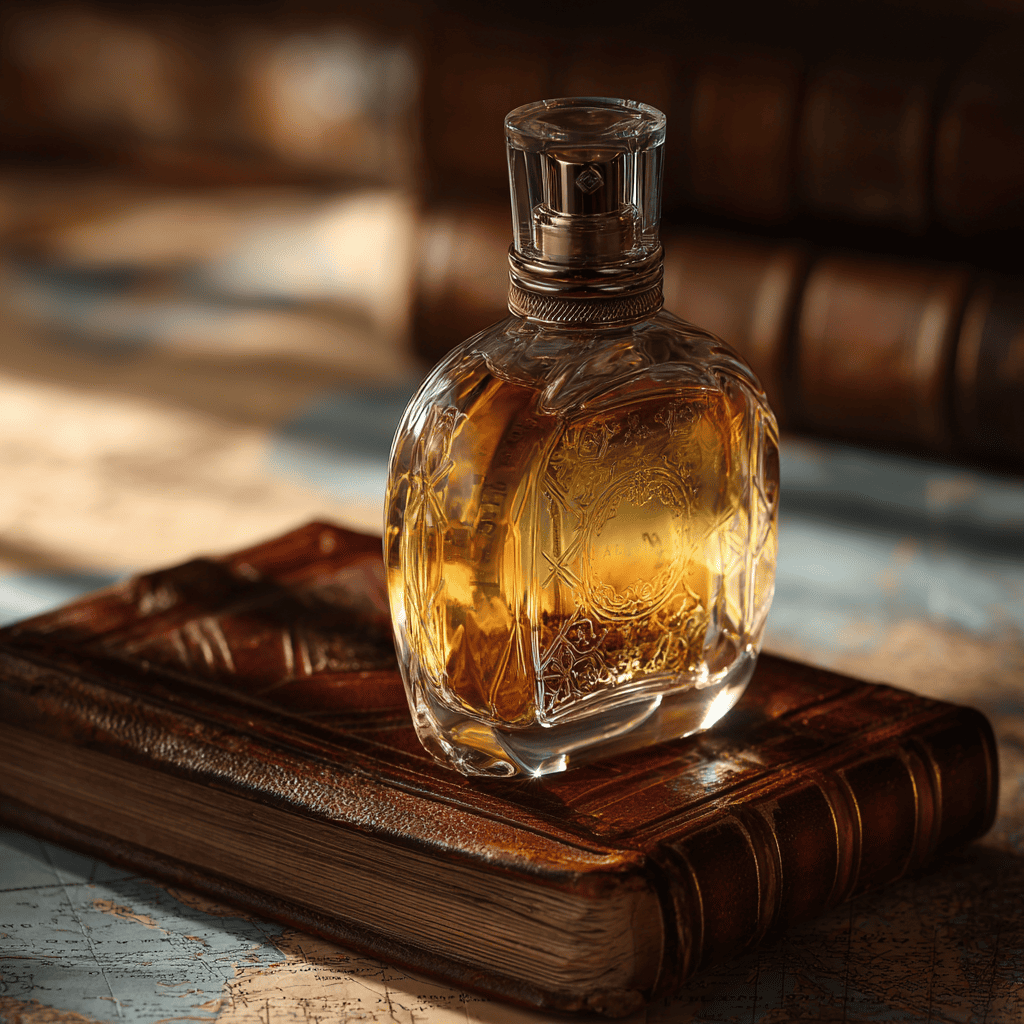
Montale perfumes remind us that each fragrance is not just a composition, but an encrypted message of time. There is always a scent in the air of the past, elusive but instantly recognizable. One breath can take us from the brightly sweetened powdery salon of Versailles to the dank London dock or the sunny workshop…
Comments closedThe scent of time: wheels through the centuries Posts
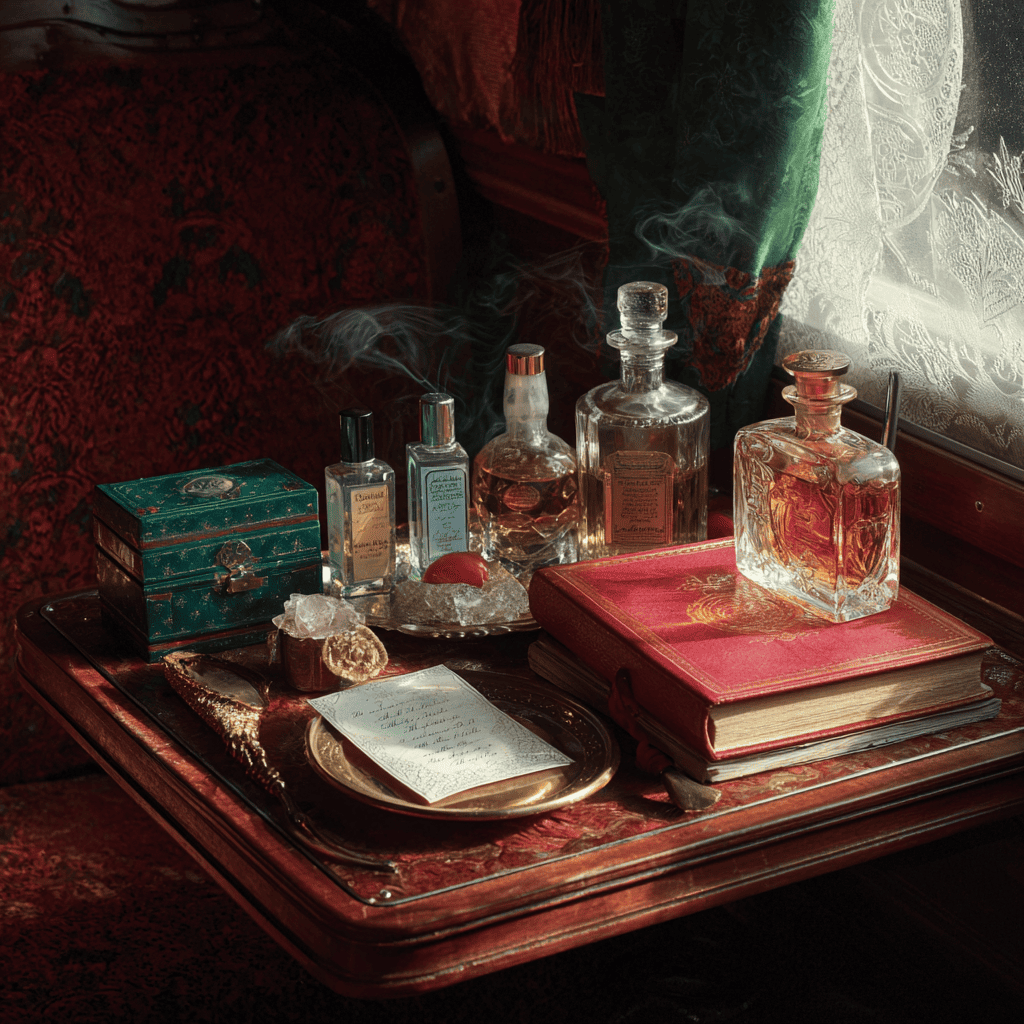
The tops of the poplars are hidden in a milky fog, the wheels creak on the wet pebbles, and inside the postal carriage a fine-wool bottle knocks against the wall of a travel trunk. Traveling perfumers of the 18th and 19th centuries called such morning hours “silver”: it was then that the air was especially…
Comments closed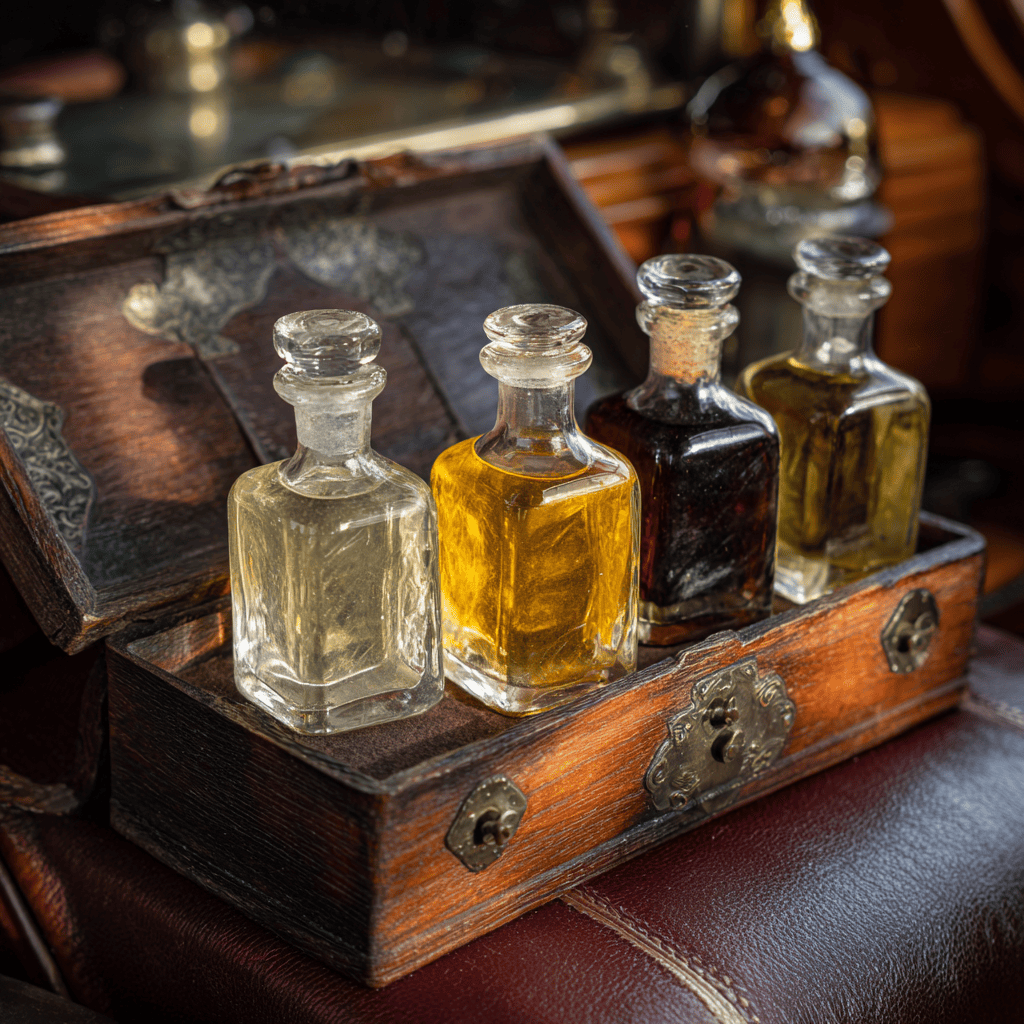
The scent of the historic carriage was a frank mix of sawmill, stable and perfume shop. Opening the door, the passenger inhaled polished wood, damp leather, the tartness of linseed oil and an unexpected hint of bergamot from the seat cushion. These scents were not a side effect – they were created intentionally so that…
Comments closed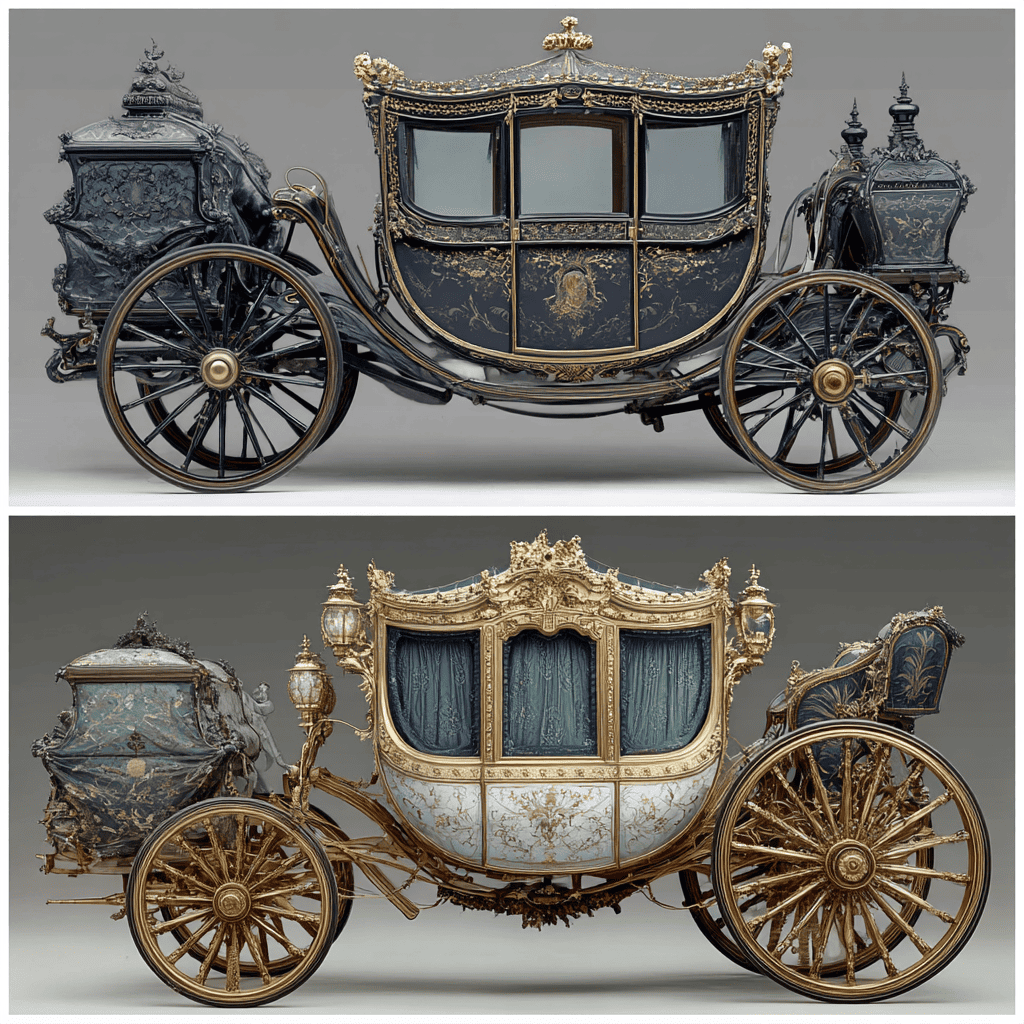
Great architectural styles were rarely locked in stone: the marble vestments of cathedrals and the gilding of palaces invariably moved – literally – onto wheels. The carriage was the moving calling card of the era: its silhouette could tell whose coat of arms was on the door, which artist painted the panel, and even what…
Comments closed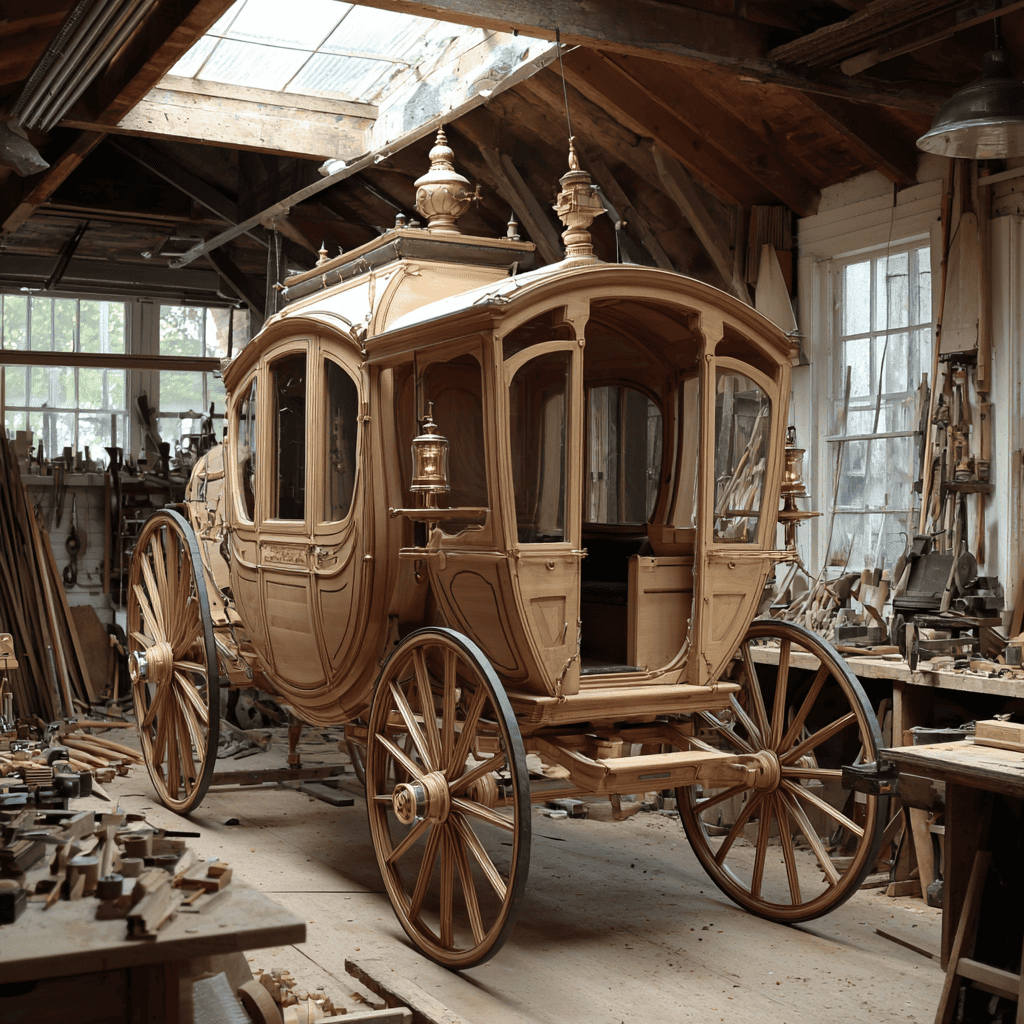
A carriage is more than just a vehicle of antiquity; it is a moving capsule of culture, where the resonance of wood, the rustle of velvet and the shimmer of gold meet. Today, when travel has long been high-speed, there is a growing curiosity around the world about the slow, luxurious way, and therefore about…
Comments closed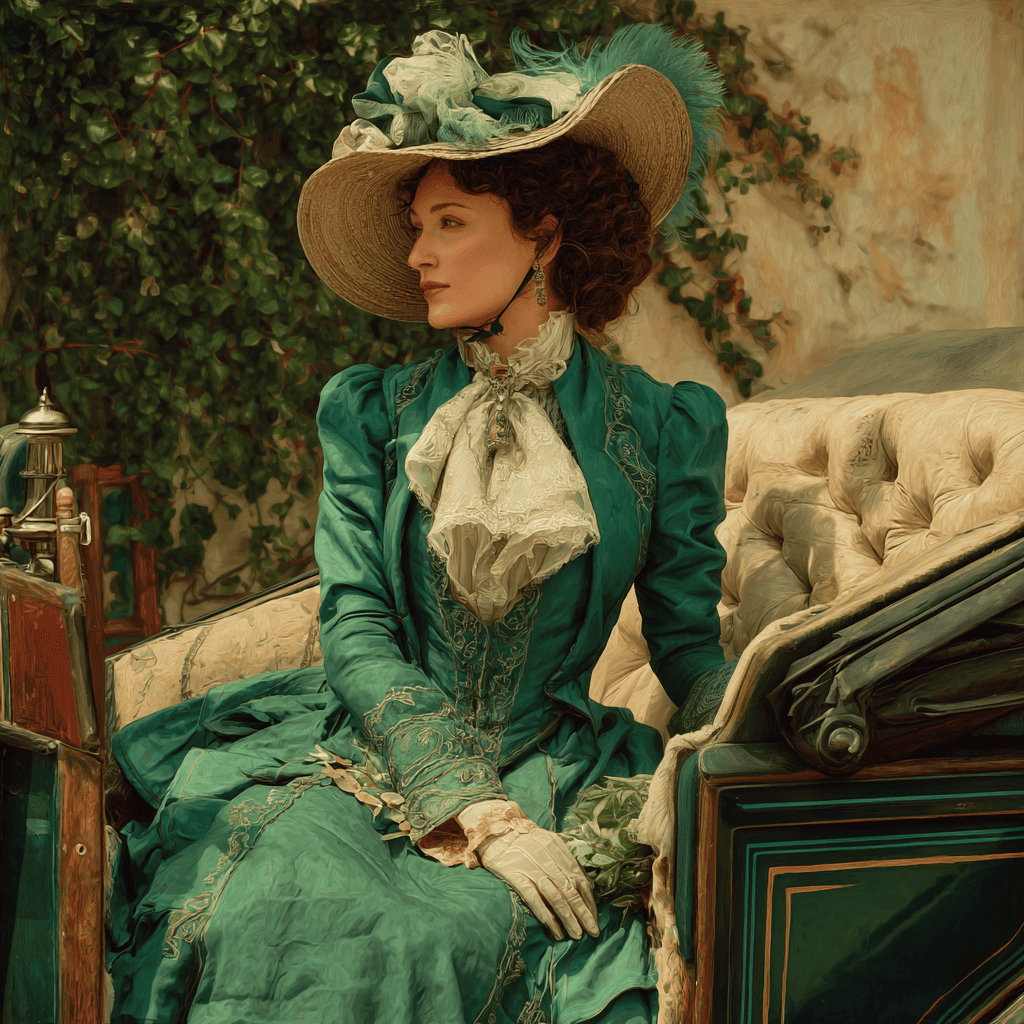
In an era when the carriage was the main mode of transportation for the nobility, even a short trip was a carefully planned process. For ladies of noble birth, each outing became a kind of ritual of care, presentation and demonstration of status. Fragrances played a special role in this – they were selected as…
Comments closed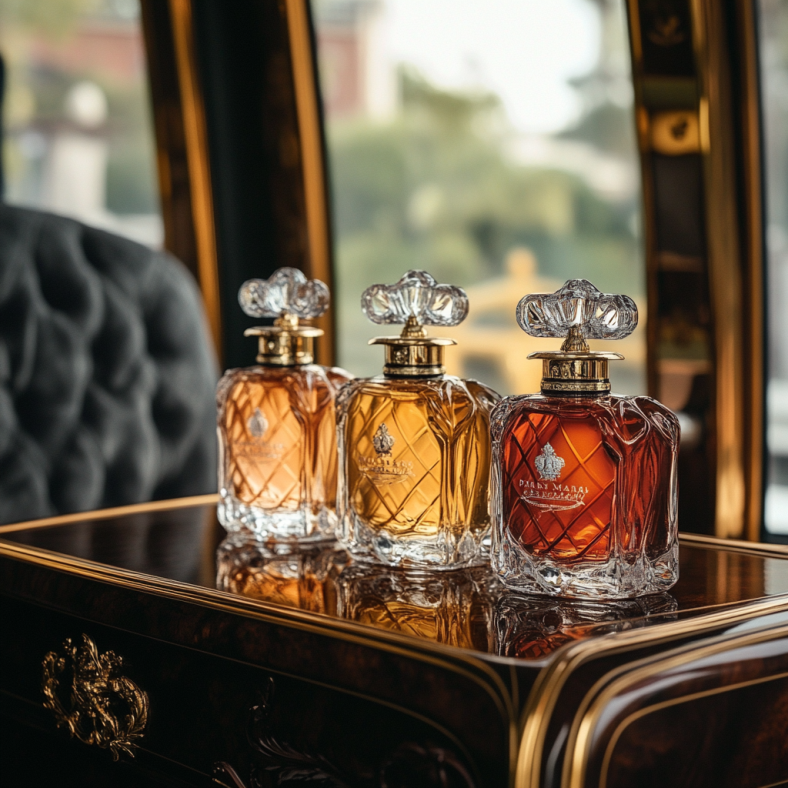
The very essence of Parfums de Marly Oajan evokes a journey through time, where gilded carriages rolled through cobbled streets, carrying nobility adorned in the finest silks and velvets. This fragrance is not merely a scent—it is a portal to an era when travel was an art form and every detail, from the polished brass…
Comments closed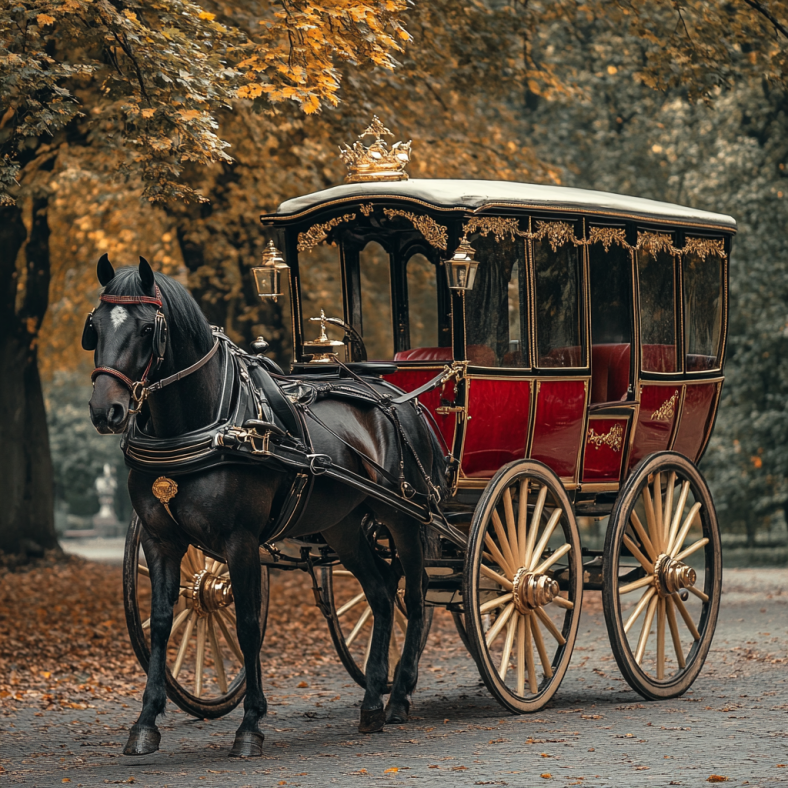
The scent of sandalwood and leather once defined an age of horse-drawn grandeur, where polished wood and supple hides enveloped passengers in an olfactory embrace of refined luxury. These fragrances, now largely forgotten in modern transport, were more than mere byproducts of craftsmanship—they were part of the identity of the elite carriages that glided through…
Comments closed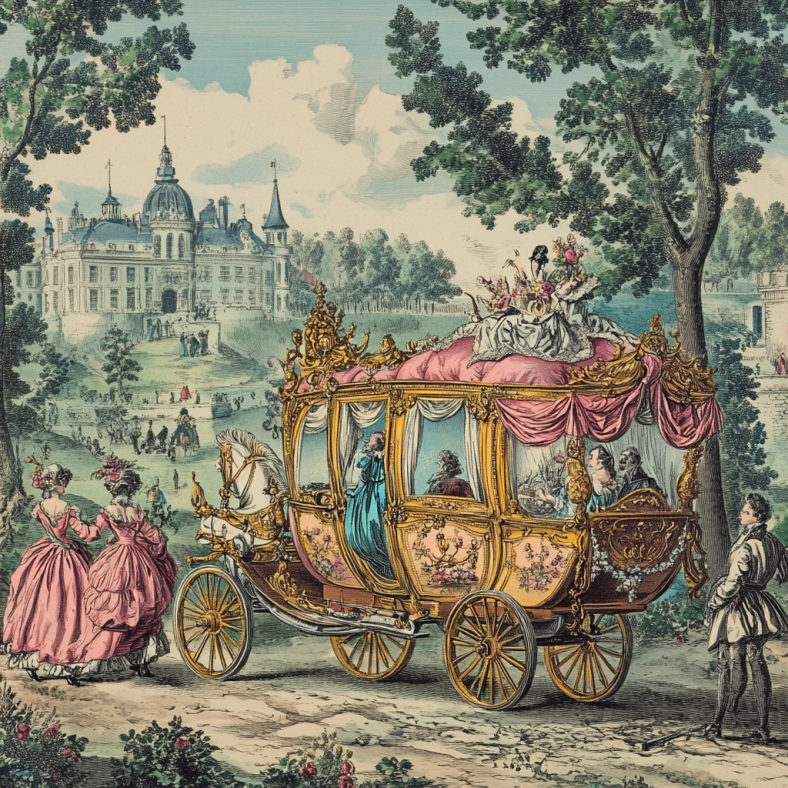
The 18th century was a period of unparalleled refinement and sophistication, where both carriage craftsmanship and perfumery reached new heights. As noblemen and aristocrats journeyed across Europe, the carriages that carried them were often infused with the intoxicating aroma of fine perfumes. These fragrant treasures were not only symbols of status but also essential companions…
Comments closed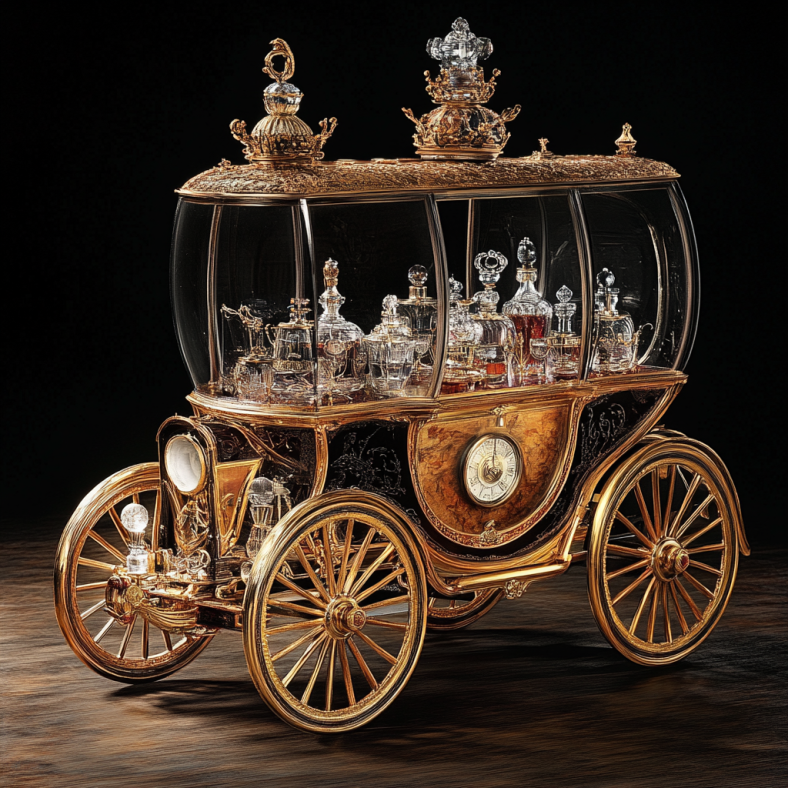
Throughout history, travel was not just about reaching a destination—it was an experience, a statement of status, and often, an act of indulgence. For the aristocracy, carriages were more than modes of transport; they were mobile salons of opulence, meticulously designed to provide comfort, beauty, and refinement. But one aspect of these grand conveyances remains…
Comments closed